· EMDR & DBR
Why EMDR and DBR Don’t Require You to Narrate Your Trauma
Trauma does not have to be verbally accounted for before it can be treated. What actually happens in an EMDR or DBR session, and what that means.
 Karen Sussan
LCSW, LMHC

Writing from Karen Sussan, LCSW, LMHC, grouped by subject. Browse every post or pick another category below.
Trauma does not have to be verbally accounted for before it can be treated. What actually happens in an EMDR or DBR session, and what that means.
News of conflict and disaster does not stay on the screen. On collective trauma, the signs it is reaching you, and how EMDR helps you find ground.
Bikes, cartoons and independence, and in midlife something still feels unsettled. On Gen X micro-traumas, and how EMDR helps make sense of them.
Deep Brain Reorienting was developed by neuropsychiatrist Dr. Frank Corrigan. Why I am pursuing certification, and who it helps when EMDR is difficult.
Pregnancy and postpartum bring up more than most people expect. How EMDR can help with birth trauma, postpartum depression and anxiety, at your own pace.
Dental anxiety keeps many people out of the chair altogether. How EMDR addresses the fear underneath it, and practical ways to manage appointments.
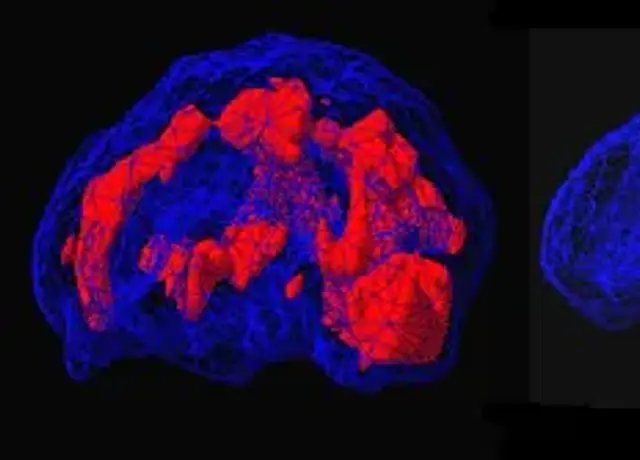
Often described as magic, EMDR is better explained by neuroscience. On the evidence behind it for PTSD, and what “building the blue” actually means.
EMDR was developed by Dr. Francine Shapiro in the late 1980s and is now widely endorsed for PTSD. How it works, and who tends to benefit from it.
Parts work and EMDR fit together well in trauma treatment. On Internal Family Systems research, and integrating a basic parts approach into EMDR.
I invite you to start with a consultation. There is no pressure, just a conversation to see whether working together makes sense.